Mountain Modern or Historic Charm in Telluride Homes
April 16, 2026
April 16, 2026
If you are drawn to Telluride, chances are you are not just buying square footage. You are choosing a setting, a style, and a daily experience that feels right for the way you want to live. In Telluride, that often means weighing two very different paths: a home with historic character in the town core or a newer mountain modern property shaped around today’s comfort and the area’s dramatic terrain. This guide will help you understand how each style fits Telluride’s history, design standards, and lifestyle so you can move forward with more confidence. Let’s dive in.
Telluride’s built environment is closely tied to its mining-era roots. After silver discoveries in 1875 and settlement in 1878, the arrival of the railroad in 1890 sparked a major building boom, shaping the town you still see today in the historic core. According to the National Historic Landmark documentation, the town center sits in a box canyon and spans just eight blocks wide by twelve blocks long.
That compact setting helps explain why architecture matters so much here. Official tourism and preservation materials describe Telluride’s Victorian-era homes and historic buildings as central to the town’s identity, and the town continues to protect that character through its review process. The Historic and Architectural Review Commission, or HARC, reviews exterior changes such as renovation, additions, demolition, moving, and new construction before permits are issued.
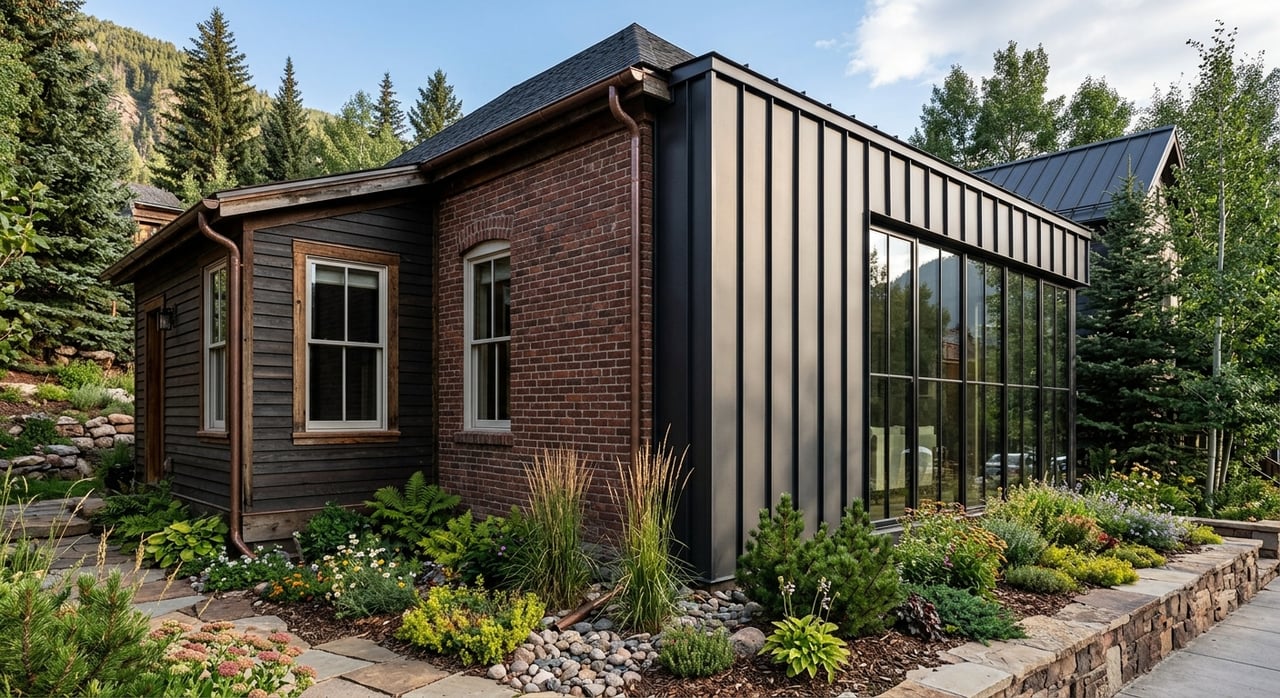
Historic homes in Telluride tend to offer a strong sense of place. The landmark record describes most residences in the district as vernacular wood-frame houses, with only a small number built in brick. Many larger homes feature front-gabled or cross-gabled forms, steeply pitched rooflines, overhanging eaves, and simple ornament rather than heavy decoration.
Some homes show clearer style influences, especially Queen Anne and Gothic Revival details. These more styled examples were often concentrated north of Colorado Avenue, where the town’s grander homes and churches developed. South of Colorado Avenue, the housing pattern historically included smaller, more utilitarian homes and some boarding houses connected to the town’s working population, as shown in the historic district documentation.
For many buyers, the appeal of a historic Telluride home is emotional as much as practical. You may be drawn to original orientation, porch-facing streetscapes, smaller-scale rooms, and details that reflect the town’s mining-era development. That usually creates a different feel than a newer open-plan home.
If you value authenticity, walkability, and visible local history, historic charm may feel like the right fit. In Telluride’s core, the appeal often comes from being part of a preserved streetscape rather than owning a home designed to stand apart from it.
A historic home can offer character that is hard to replicate, but it also comes with design constraints. Exterior work is subject to local review, and Telluride’s preservation standards emphasize keeping a building’s original location, orientation, setbacks, and site relationship whenever feasible. That means updates may require more planning than you expect.
If you are considering a historic property, it helps to think ahead about your renovation goals. Even modest exterior changes may need approval through HARC, so understanding the review framework early can save time and frustration.
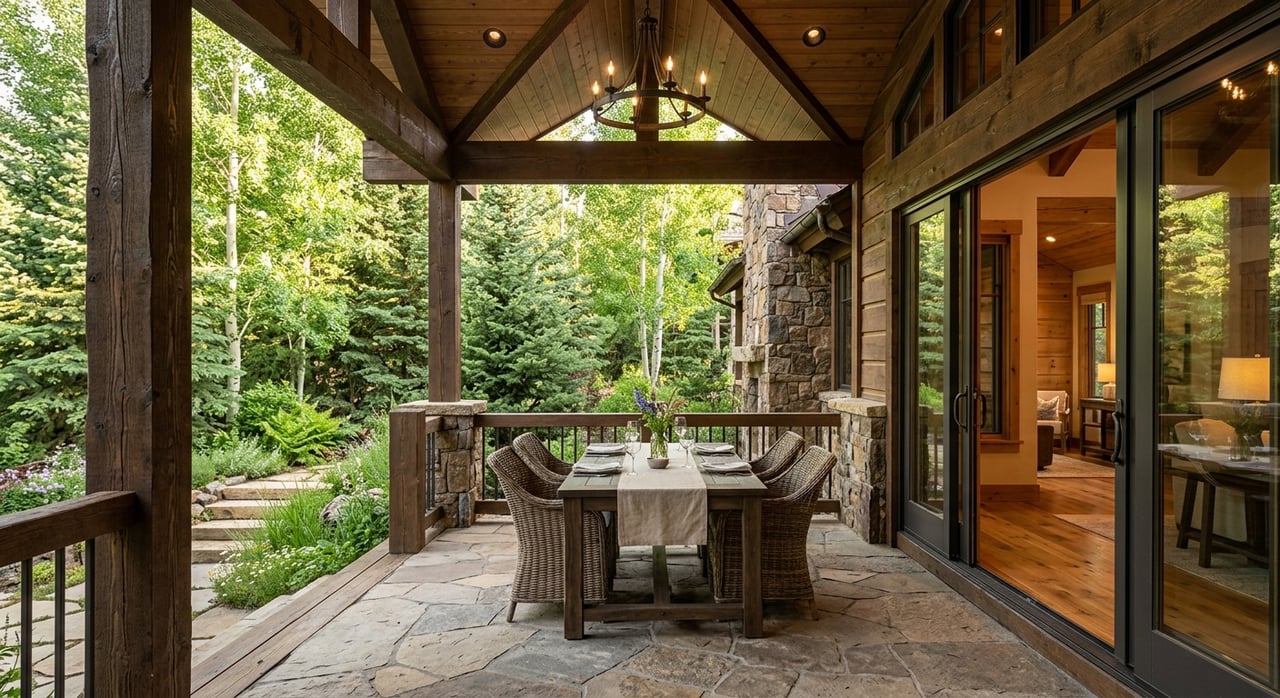
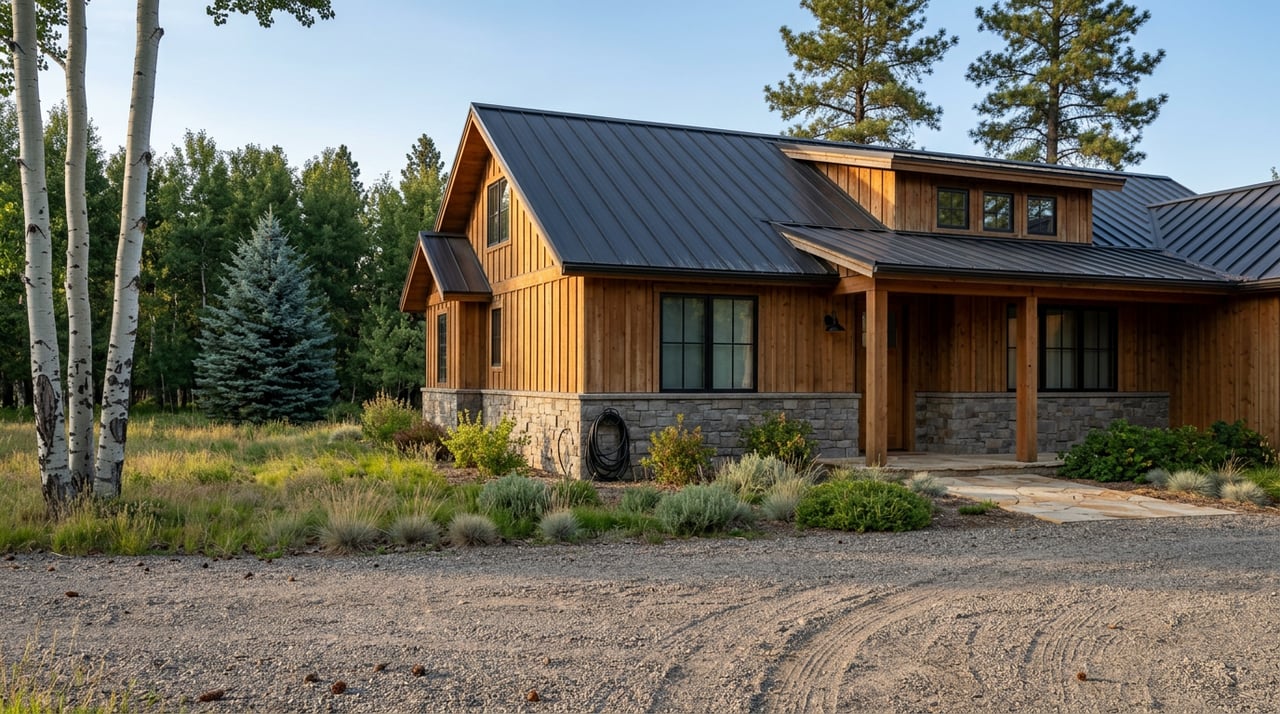
Mountain modern homes represent the contemporary side of Telluride living, but they are still shaped by local rules. The town’s design guidelines note that newer residential areas to the east and west are predominantly newer construction, and contemporary design approaches are encouraged there. At the same time, new homes still need to relate to Telluride’s traditional scale, materials, proportions, and shapes.
That is an important distinction. A mountain modern home in Telluride is not meant to ignore its setting. Instead, it is expected to fit the landscape and respect the visual rhythm of the town, even when the architecture is clearly contemporary.
Telluride’s guidelines favor simple rectangular forms, vertical proportions, and gabled roofs. They also encourage larger buildings to be broken into smaller components so they feel less imposing. In hillside areas, low-profile forms and roofs that echo the slope are preferred.
On steeper sites, buildings are expected to step down with the terrain, align with existing contours, avoid ridge-line placement, and protect view corridors. For buyers, that often translates into homes designed around the land and views, with a strong relationship to the outdoors.
If your priorities include more contemporary comfort, newer systems, and a layout that may better match current expectations, mountain modern can be appealing. Telluride also requires energy-code compliance for residential new construction, additions, and remodels. That can matter if energy performance and updated construction standards are high on your list.
While every property is different, newer or substantially renovated homes may align more easily with what many buyers expect in terms of efficiency and day-to-day convenience. You still get a design shaped by Telluride’s context, but often with a more current interpretation.
The choice between historic charm and mountain modern is rarely just about appearance. It is usually about how you want your home to function, how much flexibility you want for future changes, and what kind of connection you want to the town’s architectural identity.
Here is a simple side-by-side view:
| Consideration | Historic Charm | Mountain Modern |
|---|---|---|
| Overall feel | Authentic, character-rich, rooted in town history | Contemporary, clean-lined, shaped by site and views |
| Typical setting | Core historic district and older blocks near Colorado Avenue | Newer residential and hillside treatment areas |
| Scale and layout | Often smaller-scale rooms and porch-oriented streetscape | Often designed for contemporary living and terrain response |
| Exterior changes | More review-sensitive due to preservation standards | Contemporary design is possible if compatible with context |
| Design language | Vernacular wood-frame forms with some Victorian-era influences | Simple forms, vertical proportions, gabled roofs, low-profile massing |
| Efficiency expectations | Varies by age and renovation history | New builds and major remodels must meet current energy codes |
If you picture yourself in the heart of town, surrounded by preserved architecture and a strong sense of local history, a historic home may be the better match. This option often appeals to buyers who value architectural character and a home that feels connected to Telluride’s original development pattern.
If you want a home that feels more current, works with steep terrain, and may better align with modern efficiency expectations, mountain modern may be a better fit. This path can make sense if you want contemporary design without losing the scale and context that make Telluride distinctive.
In Telluride, style and location are closely connected. The most historic feel is found in the core historic district and along older streets north and south of Colorado Avenue, where the district’s vernacular homes and more styled landmarks remain concentrated. Outside the historic district, newer residential areas are more likely to include contemporary design approaches.
That means your architectural preference may naturally narrow your property search. In many cases, choosing between historic charm and mountain modern is also choosing between different parts of town and different site conditions.
When you tour Telluride homes, it helps to look beyond finishes and staging. Ask how the home fits into its review area, whether any exterior changes were approved, and how the site influences future options. A beautiful house may still feel wrong if it does not match your goals for comfort, flexibility, or long-term use.
That is where local guidance becomes especially valuable. The right strategy is not just finding a home you like today. It is understanding how Telluride’s preservation priorities, design framework, and neighborhood context may shape your ownership experience over time.
Whether you are searching for a historic in-town property or a newer mountain home, Team Colorado Living can help you compare options, understand the local context, and make a confident move in the Telluride market.
Work with a team that values integrity, expertise, and a deep connection to the community. We’re committed to providing personalized service and guiding you through every step of your real estate journey. Let’s work together to find the perfect property or investment that aligns with your goals and values.