Telluride vs Mountain Village: Choose Your Ideal Lifestyle
December 4, 2025
December 4, 2025
Trying to choose between Telluride and Mountain Village? You are not alone. Both are stunning, but they deliver very different day-to-day experiences. If you want a walkable historic town, you will lean one way. If you want true ski-in convenience and resort amenities, you may lean the other way. This guide breaks down walkability, ski access, HOAs, elevation and climate, pricing patterns, and short-term rental rules so you can match your lifestyle and budget with confidence. Let’s dive in.
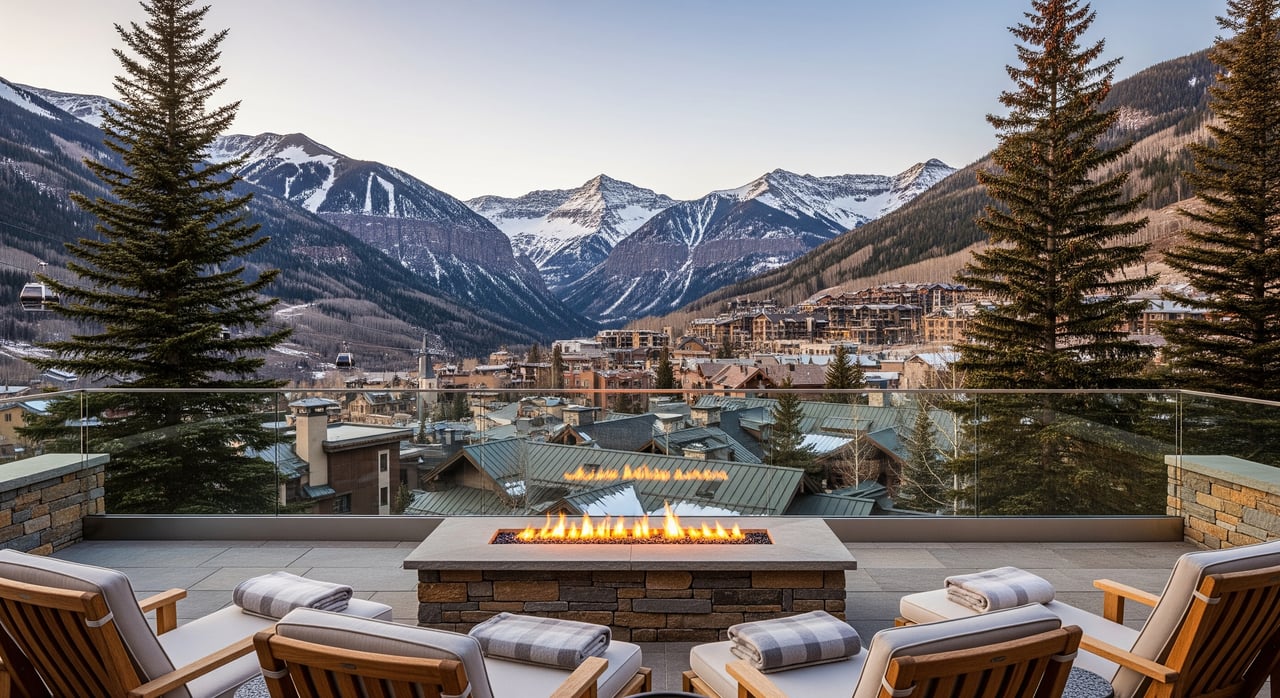
Telluride sits in a dramatic box canyon at roughly 8,750 feet with a classic main-street feel. Mountain Village is upslope around 9,500 feet with a planned resort core and direct base access. The free gondola connects the two year-round, so you can live in one and enjoy the best of the other without driving.
If you value a compact, pedestrian lifestyle, Telluride shines. Restaurants, galleries, festival venues, and boutiques are an easy stroll from many homes. Parking in the core is limited, so buyers often prioritize on-site spaces or strong guest parking options. Year-round cultural programming keeps the town active beyond ski season.
Mountain Village centers on pedestrian plazas with shops, dining, hotel services, and lift plazas designed for easy resort circulation. Parking is more predictable in newer developments, and many communities run internal shuttles that connect neighborhoods to the core and gondola. If you want modern condo convenience with amenities close at hand, this setup fits well.
Many condos and townhomes in Mountain Village sit on base-area trails or steps from lifts. If first chair and short gear carries matter, this is a strong advantage. Heated garages and on-site services in larger complexes can simplify winter trips.
Not every Telluride property is slope-side, but the free gondola gives you a quick, no-cost connection to the lifts. Many buyers accept a slightly longer approach to the mountain in exchange for downtown life and views from the valley.
Expect many condo and planned communities with mandatory HOAs. Larger complexes often include pools, fitness rooms, shared parking, on-site management, and robust snow and common-area services. Monthly assessments can be higher to cover these amenities and winter operations.
You will find a blend of historic single-family homes, duplexes, and condos. Some neighborhoods have no HOA. Where there is an HOA, services vary, and fees are often lower in smaller buildings with fewer amenities.
Both communities sit above 8,500 feet. New owners should plan for acclimation, extra sun protection, and hydration. If you have cardio-pulmonary considerations, talk to your doctor before extended stays.
Telluride’s canyon can feel sunnier and more sheltered, though nights are cold. Snow on sunny exposures may melt sooner. Mountain Village is higher and more exposed, which can mean colder temps, more snow accumulation, and a winter feel that lasts longer.
Steeper sites upslope can require avalanche awareness for buildable lots. Wildfire risk varies by season and vegetation, so confirm defensible space practices and insurance availability. Utilities, propane or natural gas, and snow removal responsibilities differ by neighborhood and HOA, which affects operating costs.
Inventory and pricing shift with the market, but patterns hold:
For current medians and days on market, review local MLS reports and recent sales before you write an offer.
Short-term rental rules are set by the Town of Telluride, the Town of Mountain Village, or San Miguel County for unincorporated areas. Each has its own licensing process, tax collection, occupancy standards, and enforcement. Rules change over time, so verify before you buy.
Telluride has historically been more restrictive, often limiting or capping STR activity in residential zones. Mountain Village has been more STR-friendly in resort-oriented properties, but still requires licensing, compliance, and lodging tax collection. Operators must collect and remit applicable lodging and sales taxes in all jurisdictions.
If you plan on rental income, confirm whether a property’s STR license exists and whether it transfers with the sale. Cross-check HOA documents for leasing rules. Ask for recent occupancy tax remittance records and underwrite with realistic seasonal occupancy.
Choosing between these two incredible places comes down to how you want to live and how you plan to use the property. We help you weigh tradeoffs, verify HOA and STR details, and craft a plan that fits your goals. Ready to explore specific homes and neighborhoods with a local guide? Schedule your visit and a personalized plan with Team Colorado Living.
Work with a team that values integrity, expertise, and a deep connection to the community. We’re committed to providing personalized service and guiding you through every step of your real estate journey. Let’s work together to find the perfect property or investment that aligns with your goals and values.